
When you think about marriage, what comes to mind? Love, romance, family, children, a happily ever after. But in today’s world, marriage is not always just about love. Sometimes, it’s about something far less romantic but equally powerful: health insurance.
It may sound bizarre, even laughable at first — but across the world, especially in countries like the United States, people are saying “I do” not only for love, but for access to affordable healthcare. These marriages are often called “benefit weddings”, and they tell us a lot about how finances and love are more connected than many people care to admit.
Why Do People Marry Just for Health Insurance?
The answer is simple: healthcare is expensive.
In countries where medical coverage is tied to employment or family benefits, losing a job can mean losing insurance. For someone with a chronic condition, expensive prescriptions, or even the possibility of pregnancy, this can be devastating. Marriage then becomes more than an emotional decision — it’s a financial lifeline.
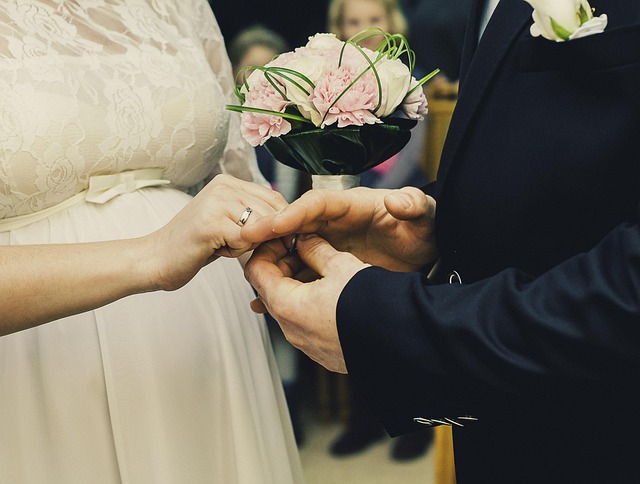
Take the United States, for example. An uninsured visit to the hospital can cost thousands of dollars. A single ambulance ride may run into $3,000 or more. Couples who might otherwise wait years to get married often tie the knot quickly to qualify for a spouse’s insurance plan.
And so, “Will you marry me?” sometimes quietly translates to “Will you help me get coverage?”
Real Stories of Benefit Weddings
1. The Rushed Wedding Before the Layoff
Melissa and Tom had been dating for two years. They weren’t ready for marriage — or at least they thought so. But when Melissa learned she would be laid off from her job, panic set in. She had asthma and relied on monthly inhalers that cost over $400 without insurance.
Tom, who had a stable job with great insurance, suggested they get married immediately so she wouldn’t go uninsured. Within weeks, they were at city hall, saying vows in front of a judge.
Melissa later admitted: “It wasn’t the wedding of my dreams, but it saved my health. Without Tom’s insurance, I don’t know how I would have survived.”
2. A Marriage Certificate in the Hospital
Another story surfaced online about a young couple who had been dating casually. When the woman unexpectedly became pregnant, they discovered her personal insurance wouldn’t cover maternity care. The bills would have run into tens of thousands of dollars.
Her boyfriend proposed in a hospital waiting room. Not out of romance, but out of urgency. They married within days, filed the papers, and just like that, she was added to his employer’s family health plan.
Years later, the couple joked that their love story wasn’t built on candlelight dinners, but on an insurance form.
3. The Secret Marriage
There’s also the story of Claire, who confessed online that she secretly married her college boyfriend just so she could get onto his health insurance after a car accident. They didn’t tell their families for six months because they weren’t sure if the marriage would last.
“We thought we were too young, but honestly, it worked out. The insurance saved me from $80,000 in hospital debt, and the marriage ended up real anyway.”
Is It Legal to Marry for Insurance?
Here’s the interesting part: Yes, it is legal.
Marriage, by law, is a contract. As long as two adults consent to it, they don’t need to prove they married for “love.” Even if the main reason is health insurance, the marriage is still valid.
However, there’s a line between a real marriage with financial motives and an outright fake marriage (like when two strangers marry only to scam the system). If discovered, a fraudulent marriage could lead to canceled insurance, fines, or even legal consequences.
So, while marrying for health insurance may be unconventional, it is not necessarily illegal.
Marriage for Benefits vs. Marriage for Love
This raises the question: Does marrying for insurance cheapen the meaning of marriage?
For some couples, insurance was simply the push they needed to make an already strong bond official. For others, rushing into marriage for financial reasons created cracks later. Some end up divorced once the “benefits” reason fades away.
It shows that while love is the heart of marriage, practical matters like money and healthcare can heavily influence the decision.
Lessons for Couples
1. Talk About Finances Early: Marriage is not just emotional — it’s financial. Insurance, taxes, and debt all play roles.
2. Be Honest About Motives: If you’re marrying mainly for benefits, be upfront so expectations don’t clash.
3. Plan for the Long Term: Insurance may solve a problem now, but love and trust are what sustain a marriage.
Conclusion
Marrying for health insurance may sound strange, even funny, but for many couples it is a matter of survival. These bizarre but true stories remind us that marriage has always been both a legal and emotional bond. In a world where healthcare can make or break a family, sometimes love takes a backseat to practicality — at least at the start.
At the end of the day, though, the real question is this: Would you marry someone just for health insurance?
Share your thoughts in the comments below — is this smart survival, or does it weaken the true meaning of love and marriage?